Top 10 WPC Decking Trends at 2026 Canton Fair?
The 2026 Canton Fair is set to showcase the latest trends in WPC Decking, an essential material for modern outdoor spaces. Expert Ryan Smith, a leading figure in the WPC Decking industry, emphasizes, “Innovation in decking materials drives sustainability and design.” This year’s fair, held from April 15 to May 5, will focus on advanced materials, particularly during the second phase.
Visitors can expect innovative ideas that push the boundaries of traditional decking. The introduction of AI features will help buyers navigate through the vast exhibition space efficiently. Buyers can filter suppliers by certifications like ISO and CE. Amidst all these advancements, there lies a challenge: many manufacturers still grapple with sustainability issues. The quest for eco-friendly materials continues, raising questions about sourcing and production practices in the WPC Decking sector.
As the industry evolves, the importance of design and functionality remains paramount. WPC Decking offers versatility, but it also challenges standards. The fair is a unique platform to discuss these trends, showcasing both successes and areas needing improvement. The display of cutting-edge solutions at the Canton Fair highlights the dynamic nature of WPC Decking.
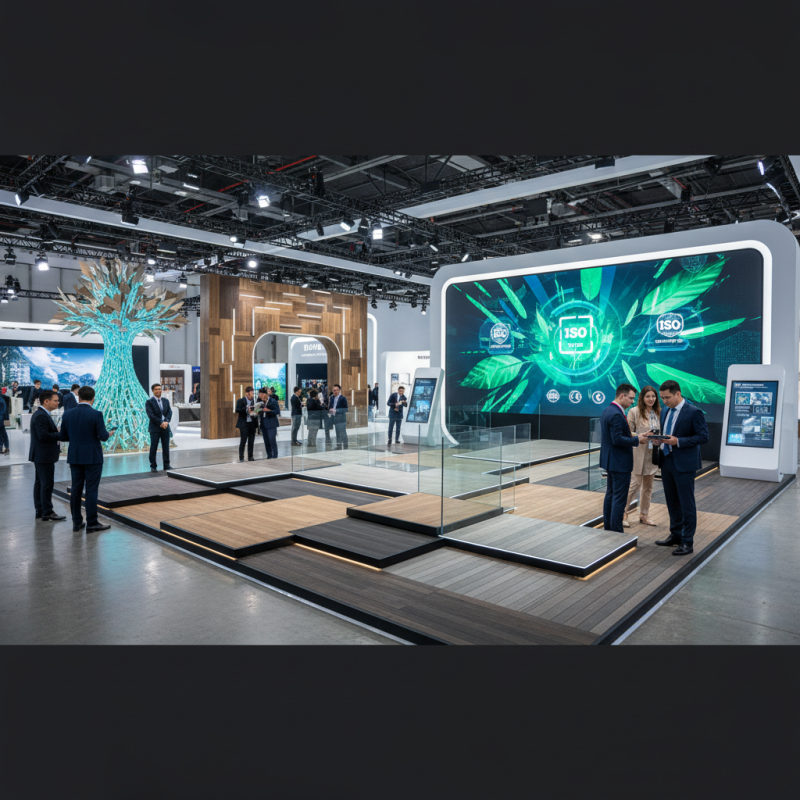
Emerging Sustainable Materials for WPC Decking in 2026
In 2026, the Canton Fair will spotlight emerging sustainable materials for WPC decking. Recent industry reports show a growing demand for eco-friendly products. It is estimated that the sustainable materials market will reach $1.5 billion by 2026. More companies are pivoting towards bio-based materials. These innovations aim to reduce environmental impact.
One major trend is the use of recycled plastics. This material not only decreases waste but also enhances durability. Many consumers are seeking options that contribute to sustainability. Composite materials made from bamboo and recycled wood are also gaining traction. These alternatives provide similar aesthetics to traditional wood while being more environmentally responsible.
Despite the promising trends, challenges remain. Sourcing sustainable materials can be complex. Quality control is another concern. Some companies struggle to maintain consistency in their products. It begs the question: Can the industry keep pace with growing sustainability expectations? As the market evolves, continuous improvement will be essential.
Top 10 WPC Decking Trends at 2026 Canton Fair
| Trend |
Description |
Sustainability Feature |
Market Demand |
| Recycled Materials |
Increased use of recycled plastics and wood fibers. |
High |
Growing |
| Low Maintenance |
Products that require minimal upkeep. |
Medium |
Steady |
| Natural Aesthetics |
Designs that mimic the look of natural wood. |
High |
Increasing |
| Enhanced Durability |
Strengthened against weather and wear. |
High |
Consistent |
| Innovative Manufacturing Techniques |
Use of advanced technology for production. |
Medium |
Emerging |
| Color Variety |
Expanded palette for customization. |
Low |
Growing |
| Antimicrobial Properties |
Surface treatments that reduce bacteria. |
High |
Increasing |
| Slip Resistance |
Textures designed to prevent slipping. |
Medium |
Consistent |
| Smart Technology Integration |
Incorporating tech for monitoring conditions. |
Emerging |
Growing |
| Eco-friendly Coatings |
Use of non-toxic and sustainable coatings. |
High |
Increasing |
Innovative Design Trends in WPC Decking Aesthetics and Colors
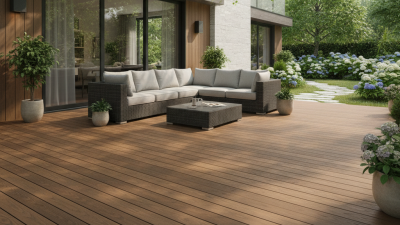
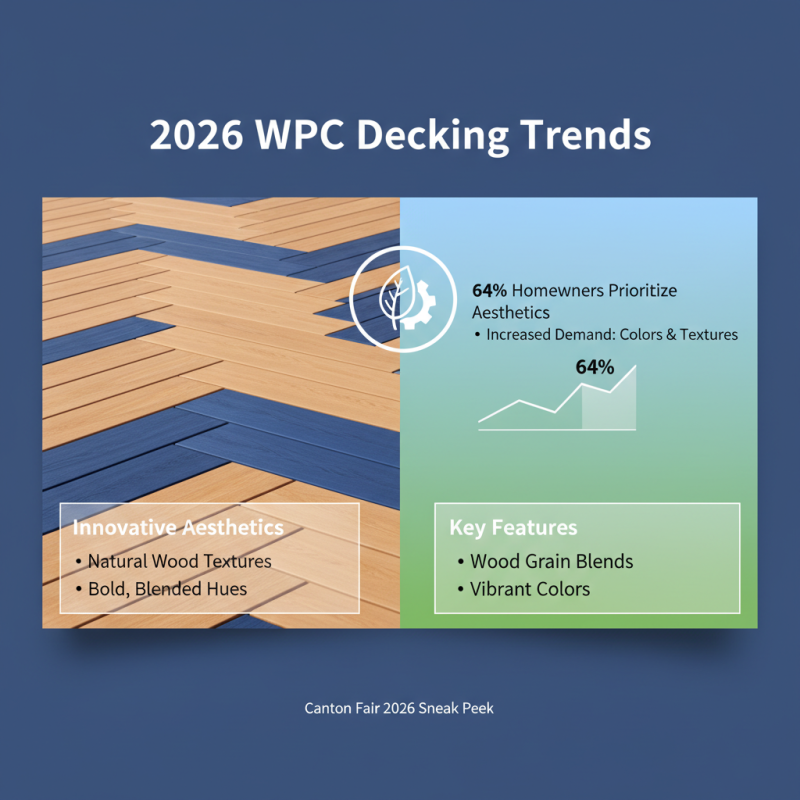
As we approach the 2026 Canton Fair, the WPC (Wood Plastic Composite) decking industry is witnessing exciting design trends in aesthetics and colors. Recent studies suggest that 64% of homeowners prioritize aesthetics in their outdoor spaces. This has led to an increased demand for vibrant colors and natural wood textures in WPC decking. The blending of wood grains and bold hues creates stunning visual effects that can enhance any patio or garden.
Emerging trends showcase earth tones and rich, deep colors, appealing to the modern consumer’s desire for nature-inspired aesthetics. Data from industry reports indicate that 47% of consumers prefer shades that mimic distinct wood varieties, such as cedar or oak. However, some designers face challenges, as creating realistic wood finishes in WPC can be labor-intensive and costly. This concern often leads to unmet consumer expectations regarding durability and maintenance.
Sustainability remains a key factor in design choices. Reports highlight that 70% of consumers are environmentally conscious. Consequently, brands are exploring eco-friendly dye options that result in vibrant colors without compromising sustainability. Yet, the balance between eco-friendliness and aesthetic appeal is delicate. The more we innovate, the more we reflect on how to meet diverse consumer needs while pushing design boundaries.
Technological Advancements Enhancing WPC Decking Durability
The 2026 Canton Fair showcases innovative trends in WPC decking.
Technological advancements offer exciting potential. Enhanced durability is one of the key improvements. Manufacturers are now using
advanced polymers combined with wood fibers to create stronger and longer-lasting materials.
This has led to increased resistance to fading, scratching, and warping.
These enhancements come from extensive research and testing. The goal is to produce decking that withstands harsh weather conditions while
maintaining its visual appeal. However, some industry experts question if these innovations can meet the diverse needs of all consumers.
Are these solutions truly sustainable? Balancing durability and environmental impact
remains a challenge.
Moreover, as WPC decking becomes more popular, production methods must also evolve. Companies are exploring eco-friendly options.
While innovations are promising, it’s essential to reflect on their production processes. Will the push for durability compromise
other important factors? The industry must keep asking tough questions to ensure a balanced approach to WPC decking development.
Market Demand Shifts: Consumer Preferences in WPC Decking Styles
Consumer preferences in WPC decking styles are evolving rapidly. Research from MarketWatch indicates that the WPC decking market is expected to grow by 9% annually through 2026. Homeowners are increasingly interested in eco-friendly options. Many seek products made from recycled materials, highlighting a shift towards sustainability.
Color and texture trends are also changing. Natural wood finishes remain popular, but bold hues are gaining traction. Reports show that 40% of consumers now prefer colors that mimic exotic woods. Visually stunning designs are becoming a key selling point. More detailed textures provide a realistic feel, attracting younger buyers.
However, some challenges persist. The market struggles with customer confusion around maintenance. Some buyers are unsure about the long-term durability of WPC products. It’s essential to educate consumers about care requirements and longevity. This could improve overall satisfaction and bolster brand loyalty. Engaging marketing strategies can help address these concerns.
Top 10 WPC Decking Trends at 2026 Canton Fair
Competitive Analysis of WPC Decking Manufacturers at the Canton Fair
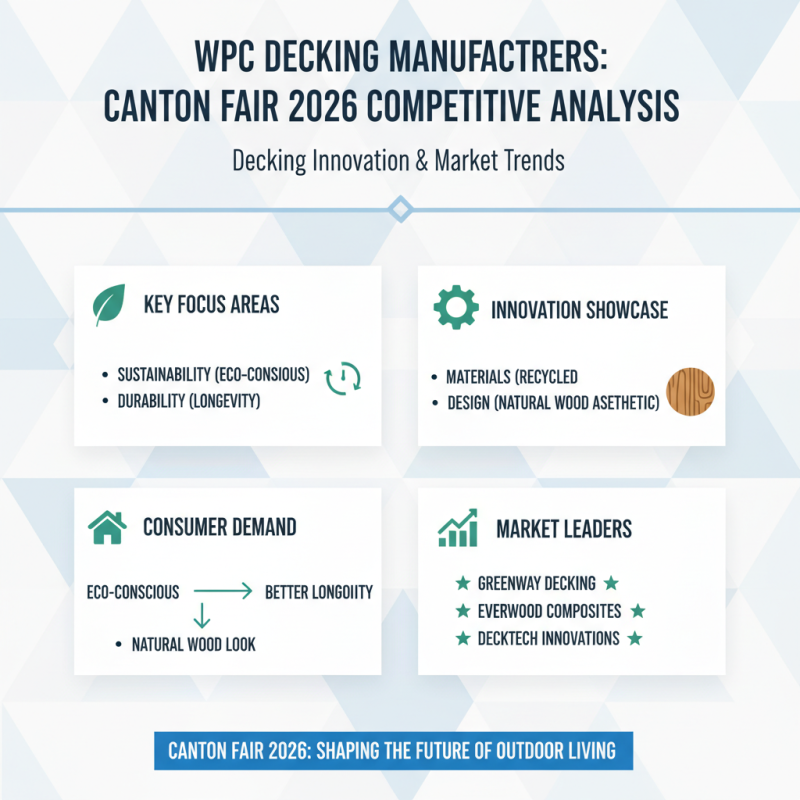
The 2026 Canton Fair is set to be a pivotal event for WPC decking manufacturers. A dynamic competitive landscape awaits attendees, showcasing innovation in materials and design. Many companies are focusing on sustainability and durability. These are critical factors as consumers become more eco-conscious. Decking solutions that mimic natural wood while offering better longevity are gaining traction.
Not all manufacturers, however, have adapted to these demands effectively. Some still rely on outdated production methods. Their products often lack the visual appeal modern buyers seek. Network analysis will reveal gaps in product offerings and customer engagement strategies. Insights derived from this data can guide companies toward more competitive practices.
In contrast, those embracing cutting-edge technology are likely to shine. The use of recycled materials and advanced coatings for weather resistance will appeal to buyers. Nonetheless, it is essential for manufacturers to address production inefficiencies. Ignoring these may result in lost opportunities in this rapidly evolving market. Balancing innovation with practicality is the key challenge ahead.