10 Essential Tips for Choosing the Right Wpc Panel for Your Project?
Choosing the right WPC panel for your project is crucial. The global Wood Plastic Composite (WPC) market is expected to reach $6 billion by 2026. This growth reflects a rising demand for sustainable building materials. WPC panels combine wood fibers with plastic, offering durability and versatility in various applications, from decking to wall coverings.
However, selecting a suitable WPC panel can be daunting. Factors like weather resistance, color options, and application types must be considered. Industry reports highlight that poor material choice can lead to costly repairs. Inadequate knowledge about WPC panels often results in dissatisfaction. It's essential to understand your project's specific needs before making a decision.
Many buyers overlook critical details. For instance, not all WPC panels are created equal. Some may warp or fade under harsh conditions. Recognizing the importance of quality and performance in WPC panels can significantly impact your project's success. Ensuring proper research and consideration will save time and resources in the long run.
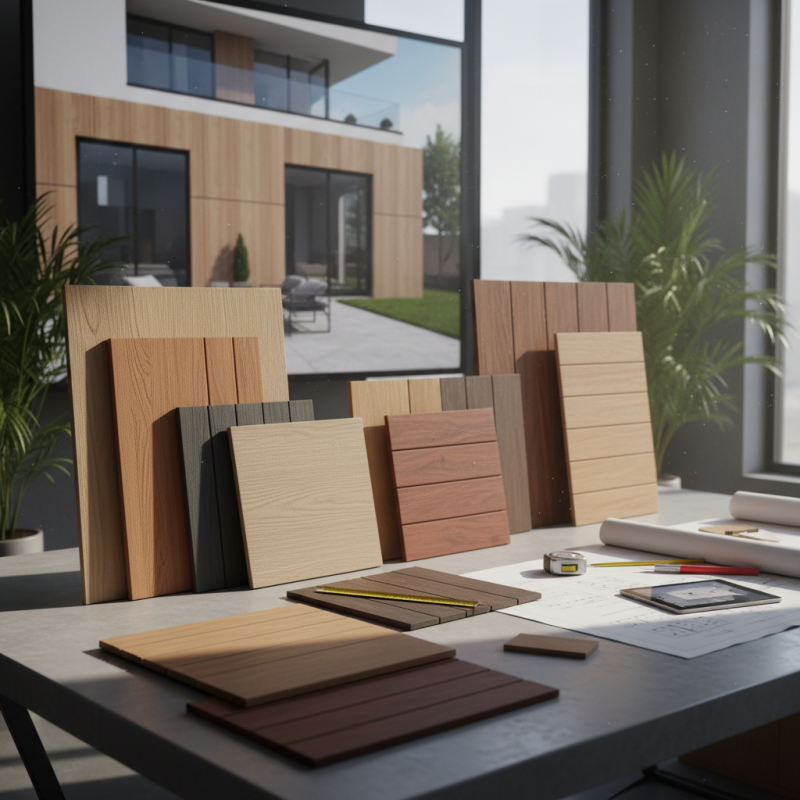
Understanding WPC Panels: Advantages and Applications
WPC panels, or wood-plastic composites, are gaining popularity in various construction projects. These panels combine the durability of plastic with the traditional beauty of wood. One major advantage is their resistance to moisture and pests. This feature makes them ideal for outdoor applications, like decking and fencing. They won’t warp or splinter, even in harsh weather conditions.
Another attractive aspect is their low maintenance requirements. Unlike traditional wood, WPC panels do not need regular painting or staining. Just a simple wash with soap and water can keep them looking new. However, quality can vary, and it’s essential to assess durability before choosing a supplier. Some panels may not perform as well as advertised.
WPC panels also offer versatility in design. They come in various colors and finishes, allowing for creative freedom in your projects. But beware of aesthetics that may fade over time. It’s crucial to balance style with functionality. Thorough research and consideration of your project’s specific needs can lead to better choices. Think about UV resistance, for instance. This factor often gets overlooked.
Factors to Consider When Selecting WPC Panels for Your Project
When selecting WPC panels for your project, consider key factors that can impact your results. Start with the environment where the panels will be installed. Are they going indoors or outdoors? Outdoor panels should be more durable and resistant to moisture and UV rays. Indoor panels can focus more on aesthetics and texture.
Another crucial factor is the panel thickness. Thicker panels typically offer better durability. However, they may also be heavier and harder to handle. Check if the weight suits your project’s requirements. Additionally, pay attention to the design options available. Some panels look great but may not suit your overall project's theme. Look for a balance between style and functionality.
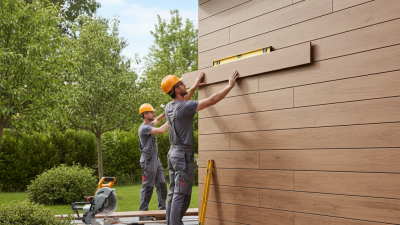
It's also important to think about installation methods. Some panels require special tools or skills. If you’re not experienced, this could lead to mistakes. Consider the ease of installation to avoid headaches later. Sometimes, taking shortcuts can result in visible errors. Reflect on these aspects carefully to make the right choice for your needs.
Comparison of WPC Panel Characteristics
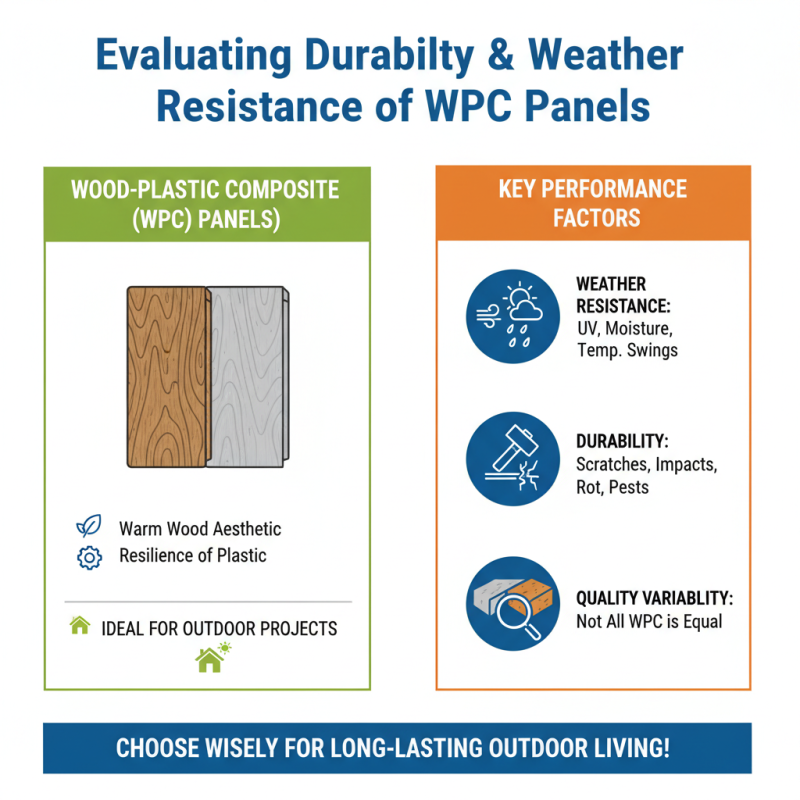
Evaluating Durability and Weather Resistance of WPC Panels
When choosing WPC panels, durability and weather resistance are critical. WPC, or wood-plastic composite, combines the best of both worlds. It offers the warm look of wood with the resilience of plastic. This makes it popular for outdoor projects. However, not all WPC panels perform the same under harsh conditions.
To evaluate durability, check the material composition. Higher wood fiber content can enhance aesthetics but may reduce weather resistance. Look for panels that utilize a protective cap layer. This layer can shield against UV rays and moisture. It's not just about looks; performance matters too. Some panels may warp or fade quickly. Opt for samples and expose them to sunlight and rain to see how they respond.
Weather resistance is another factor to consider. Panels should withstand extreme temperatures, rain, and humidity. Verify manufacturer testing results, but also listen to customer feedback. Sometimes, the most expensive option isn't the best. Assess real-life usage and gather insights from different sources. Reflect on what features are vital for your specific project. Dig deeper, and be ready to adapt your choices if needed.
Comparing Aesthetics: Colors, Textures, and Finishes in WPC Panels
When choosing WPC panels, aesthetics play a vital role. Colors, textures, and finishes can significantly influence your project's overall look. According to a recent industry report, around 70% of consumers prioritize visual appeal when selecting materials. This underscores the importance of making informed choices about the aesthetics of WPC panels.
A wide range of colors is available for WPC panels, from vibrant hues to earthy tones. Such diversity allows for creative freedom, enabling designers to tailor their projects to specific themes. However, matching colors with other materials can be tricky. Not all panels will blend seamlessly. For instance, a report states that mismatched colors can lead to a disjointed appearance, prompting the need for careful consideration.
Textures are equally important. WPC panels can mimic wood, stone, or even modern finishes. Some options feature grain patterns, adding depth. However, the touch and feel of these textures can sometimes differ from genuine materials. A study highlighted that about 40% of users reported disappointment in texture realism. This highlights the need to sample materials before making final decisions.
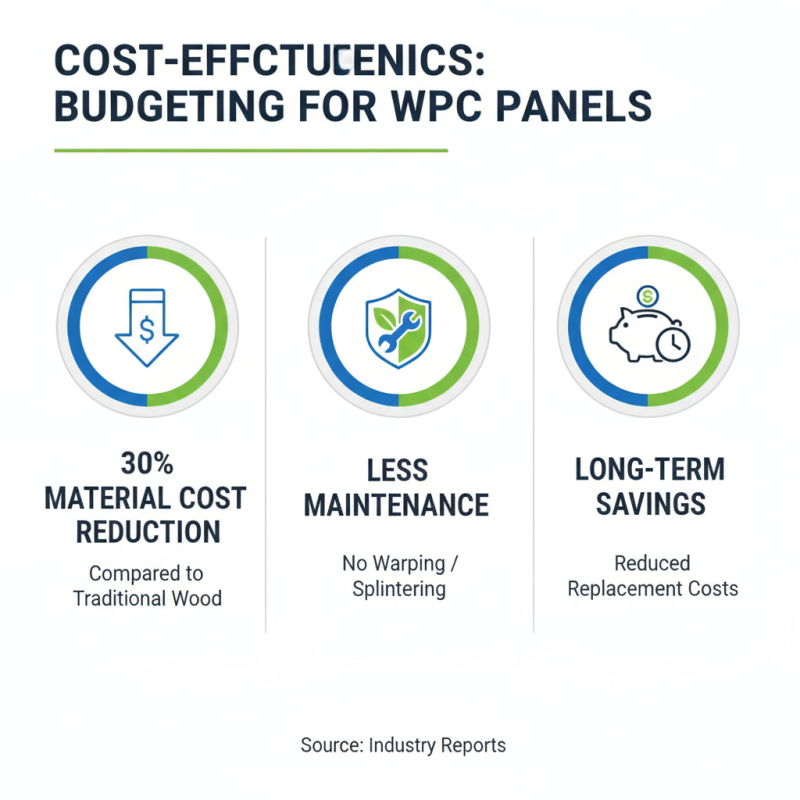
Cost-Effectiveness: Budgeting for WPC Panels in Your Project
When budgeting for WPC panels, cost-effectiveness is crucial. Industry reports indicate that WPC panels can reduce material costs by about 30% compared to traditional wood. This is significant for project managers looking to stretch their budgets. Additionally, WPC panels often require less maintenance, leading to savings over time. Regular wood can warp or splinter, leading to additional replacement costs.
Yet, it's essential to consider the initial investment. While WPC panels might be pricier upfront, their durability and lifespan can offset these costs. A recent study found that WPC materials last two to three times longer than traditional alternatives. This longevity means fewer replacements and lower overall expenses.
Also, project planners should account for installation costs. While WPC panels are often easier to install, specialized labor may drive up initial expenses. Analyze all facets of your project budget. Are you prioritizing initial savings or long-term value? Balancing these perspectives ensures a thoughtful purchasing decision.