How to Choose the Best WPC Wall Panels for Your Home?
Choosing the right WPC wall panels can transform your home. As industry expert Sarah Johnson emphasizes, "Quality WPC wall panels can elevate your space." This gives insight into not only aesthetics but also functionality.
When selecting WPC wall panels, consider durability and style. These panels resist moisture and pests. They come in various colors and finishes. However, not every option fits every home. Some may clash with existing decor.
Some homeowners overlook installation ease. Complex installations can lead to extra costs. It's crucial to think about long-term benefits. Well-chosen WPC wall panels should enhance your environment, providing not just beauty, but lasting value.
Types of WPC Wall Panels Available in the Market
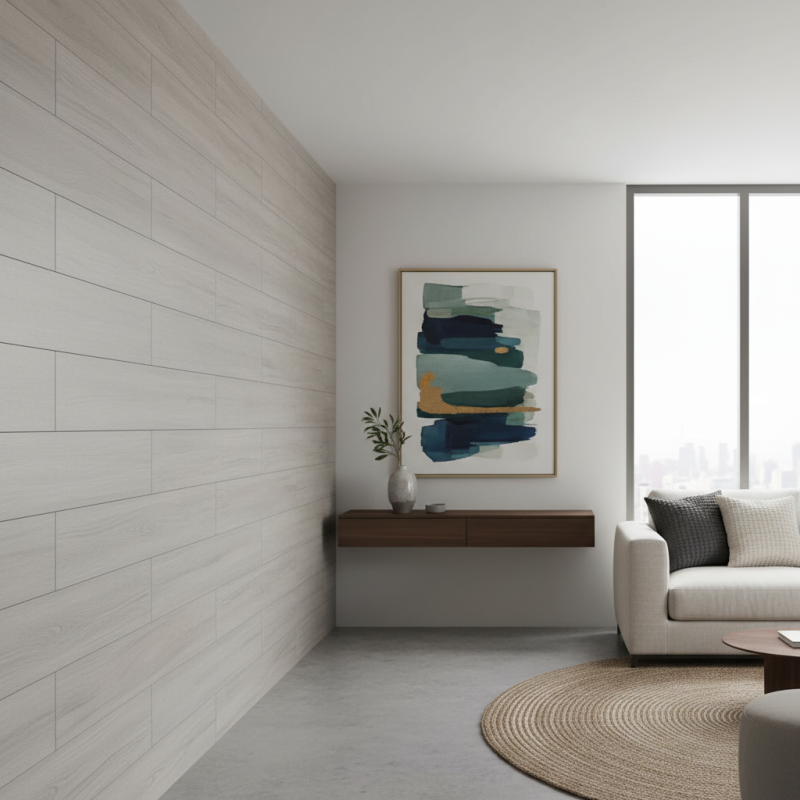
When selecting WPC wall panels, consider the types available. There are various options in the market. Each type has unique features. Some panels mimic natural wood, providing a warm aesthetic. Others are designed for durability and moisture resistance. This is crucial for areas like bathrooms or kitchens.
Another option is to choose panels with different finishes. Some are smooth while others have textured surfaces. This can affect the overall look and feel of your space. Think about how these textures will play with light. Reflectiveness can change the ambiance of a room.
Many people overlook the importance of color and pattern. Solid colors offer simplicity, while patterned panels can add visual interest. However, keep in mind that bold patterns may overwhelm a room. You might want to stick to a neutral palette for better versatility. Consider sample swatches to test in your home. Seeing them in different lighting can help you make better decisions.
WPC Wall Panels Types and Their Popularity
Key Features to Consider When Selecting WPC Wall Panels
When selecting WPC wall panels, key features play a crucial role. One important factor is durability. WPC panels are known for their strength and resilience. Reports indicate that they can withstand harsh weather conditions. This makes them ideal for both indoor and outdoor use. However, not all WPC panels have the same longevity. It's essential to check manufacturer specifications.
Another aspect to consider is aesthetic flexibility. WPC wall panels come in various colors and textures. This allows homeowners to achieve their desired look. Some panels mimic natural wood closely. While options are plentiful, the choice should reflect personal style. According to industry data, around 70% of homeowners prioritize appearance when choosing wall finishes.
Additionally, installation ease is significant. Many WPC panels are designed for straightforward installation. Some can even be DIY-friendly, which cuts costs. Yet, potential buyers should remain cautious. Not all panels are created equal. Researching the installation process beforehand is critical. A poorly installed panel can lead to issues later on.
Factors Influencing the Durability and Longevity of WPC Panels
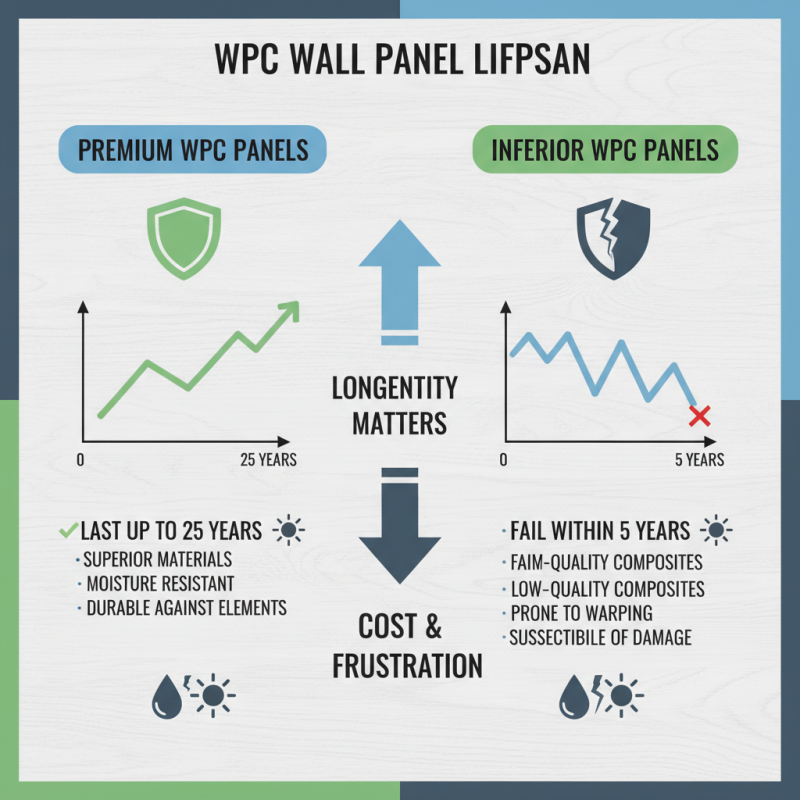
When selecting WPC wall panels, durability is key. Factors like material composition, moisture resistance, and exposure to elements significantly influence their longevity. Reports suggest that high-quality WPC panels can last up to 25 years with proper care. In contrast, inferior products may fail within five years, leading to unnecessary costs and frustrations.
Moisture resistance is particularly crucial. WPC panels typically contain wood fibers and plastic, providing a balance that helps combat rot and warping. However, not all WPC products are created equal. If panels are not adequately treated or sealed, they may still absorb moisture, leading to shorter lifespans. Evaluating the composition can help. Look for panels with a higher plastic content for better durability.
Considering environmental factors is also important. In regions with high humidity or harsh climates, the right panel choice becomes more critical. Reports indicate that panels exposed to extreme temperatures and moisture may experience decoloration and structural weakening. Regular inspections and maintenance can extend the life of WPC panels, but choosing the right product from the start is essential for optimal results.
Cost Considerations for Installing WPC Wall Panels at Home
When it comes to installing WPC wall panels, cost plays a crucial role. Generally, WPC panels are considered more affordable than traditional wood. According to industry reports, the average cost for high-quality WPC wall panels ranges from $2.50 to $7.00 per square foot. This figure does not include installation fees, which can add another $1.50 to $4.00 per square foot.
In addition to the raw materials, think about maintenance costs. WPC panels require minimal upkeep compared to wood, which can rot and splinter. You could save on repairs down the line. It’s interesting to note that homeowners investing in WPC walls often report a 40% reduction in long-term maintenance expenses. This statistic should definitely influence your decision.
Tips: Prioritize quality over price. Low-cost panels may lure you in, but they often come with hidden costs. Another consideration is whether to hire a professional or install them yourself. If you lack experience, DIY could lead to mistakes. Plan your budget carefully; it’s easy to underestimate costs. Always get multiple quotes before making a choice.
Maintenance Tips for WPC Wall Panels After Installation
Maintaining WPC wall panels is essential for longevity. Start by regularly cleaning the surface with a soft cloth. Avoid abrasive materials; they can scratch the finish. Dirt and grime can build up and affect the appearance. A gentle soap solution works well for a deeper clean.
Inspect the panels periodically for any signs of damage. Look for discoloration or warping. Such issues may indicate that the panels are not installed correctly or exposed to excessive moisture. Addressing these problems early can prevent larger repairs later on.
Don't forget to check for mold or mildew, especially in humid areas. Using a mixture of vinegar and water can help eliminate these unwanted growths. Make sure the panels are properly ventilated, allowing air to flow around them. Lack of airflow could lead to hidden issues over time. Consider the environment where your panels are installed. Reflect on the impact of weathering and maintenance routines regularly.