How to Choose the Best Wpc Material for Your Next Project?
Choosing the right Wpc material for your project requires careful consideration. This composite product has gained popularity due to its durability and versatility. Wpc, or wood-plastic composite, combines the best features of wood and plastic. It is ideal for outdoor applications like decks and fences.
When selecting Wpc material, you must examine its properties closely. Some products may resist fading or warping better than others. Others might provide different textures and finishes. Ask yourself: what will my project endure? This question is critical.
Not every Wpc material is made equal. Prices can vary significantly based on quality. Remember that cheaper options might not perform well long-term. Consider that investment in quality materials often pays off. Reflect on your needs and expectations for the project. The right choice can lead to satisfaction and longevity.
Understanding WPC Material and Its Components
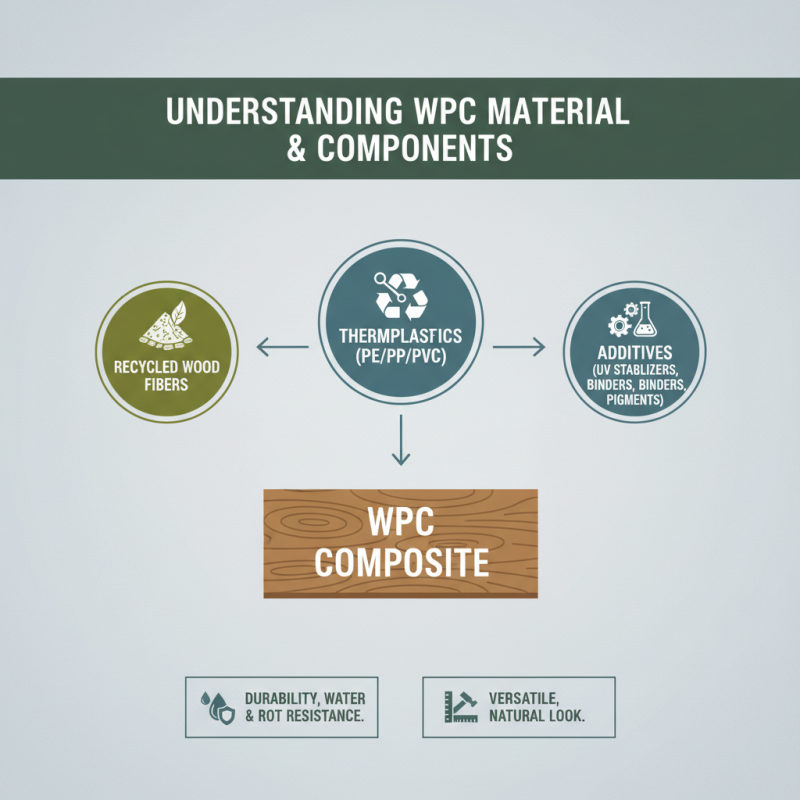
WPC, or wood-plastic composite, is a blend of wood fibers and plastic. This material offers durability and versatility, making it a popular choice for many projects. Understanding its components is crucial. WPC typically contains recycled wood, thermoplastics, and additives. The recycled wood contributes to its natural look, while plastics enhance water and rot resistance.
When choosing WPC, consider the ratio of wood to plastic. A higher wood content provides a more authentic appearance but may require more maintenance. Conversely, more plastic can lead to increased durability. Always pay attention to the additives used. Some can improve UV resistance, while others might not be as reliable.
**Tip:** Assess your project's location. If it’s exposed to harsh weather, prioritize materials with higher plastic content.
Another point for reflection is the color options available in WPC. While many offer a natural wood appearance, color fading can occur over time. Regular maintenance can mitigate this issue.
**Tip:** Look for manufacturers that provide clear maintenance instructions. It will save you trouble down the line.
Evaluating the Durability and Weather Resistance of WPC
When evaluating the durability and weather resistance of Wood-Plastic Composite (WPC) materials, it’s crucial to consider several key factors. WPC combines wood fibers and recycled plastics, offering an alternative to traditional wood. Industry reports indicate that quality WPC products can resist moisture, decay, and insect damage. According to the North American Deck and Railing Association, WPC can last over 25 years with proper maintenance.
Weather resistance is another essential aspect. High-quality WPC typically boasts UV stability, which helps to prevent fading or warping due to sun exposure. A study from the American Wood Council highlights that WPC can withstand extreme temperatures ranging from -40°F to 120°F. However, not all WPC options on the market perform equally well. Lower-grade materials might warp or crack, especially in changing climates, necessitating careful selection.
Even with superior materials, installation can impact performance. Poor installation may lead to gaps that allow water to penetrate, accelerating deterioration. An article by the Journal of Composites Science warns that inadequate support in WPC structures can jeopardize longevity. Understanding these nuances is vital for ensuring the best outcomes in your projects.
How to Choose the Best Wpc Material for Your Next Project? - Evaluating the Durability and Weather Resistance of WPC
| WPC Type |
Durability Rating (out of 10) |
Weather Resistance |
Maintenance Level (Low/Medium/High) |
UV Resistance (Low/Medium/High) |
| Wood-Plastic Composite A |
9 |
Excellent |
Low |
High |
| Wood-Plastic Composite B |
7 |
Good |
Medium |
Medium |
| Wood-Plastic Composite C |
8 |
Very Good |
Medium |
High |
| Wood-Plastic Composite D |
6 |
Fair |
High |
Low |
Comparing Aesthetics: Wood vs. Composite Appearance
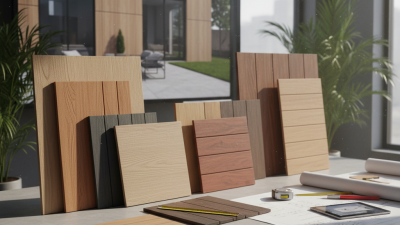
When choosing materials for outdoor projects, aesthetics matter significantly. Wood and composite materials each have unique appearances that can influence design choices. Wood provides a natural look, featuring unique grain patterns and colors. However, it often requires regular maintenance and may fade over time. For example, a study from the American Wood Council noted that untreated wood can lose up to 20% of its color due to UV exposure within the first year.
Composite materials, on the other hand, offer a more consistent appearance. They come in a variety of finishes, imitating natural wood without the need for staining or sealing. The World Federation of Wood Products noted that many composites retain their color and vibrancy for a decade or more. Still, some users feel composites lack the warmth of real wood. The choice often depends on the desired aesthetic and long-term maintenance preferences.
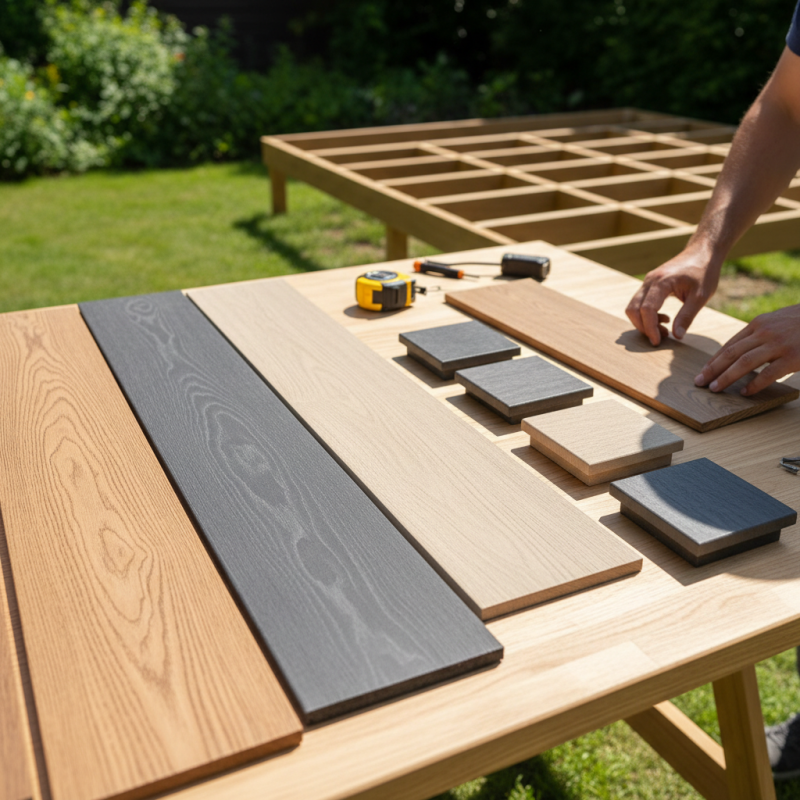
Tips: Consider the environment where the project will be located. If it’s sunny, maintenance-free options might be best. Also, think about long-term usage; composites can serve better in high-traffic areas. Test samples in different lighting when choosing colors. Explore options that align with your design vision, while also considering practical factors.
Comparing Aesthetics: Wood vs. Composite Appearance
Assessing Cost-Effectiveness for Your Project's Budget
When choosing WPC (Wood-Plastic Composite) materials, assessing cost-effectiveness is crucial. Evaluate your project's budget early on. WPC offers durability and resistance to moisture. Yet, prices vary. Understanding your financial limits helps in making wise choices.
Consider long-term savings. While WPC might have a higher initial cost, maintenance is minimal. It doesn’t require painting or sealing. This can lead to lower lifetime costs compared to traditional materials. For some, opting for WPC is a small investment for lasting quality.
Tips:
- Research local suppliers for competitive pricing.
- Calculate total expenses, including installation.
- Always account for potential price changes in future projects.
Remember, the value of WPC lies not just in upfront costs. Think about your project’s longevity and overall efficiency. Making informed choices now can prevent future regrets. Reflect on your priorities; they should align with your budget.
Environmental Impact and Sustainability of WPC Materials
When considering WPC (Wood Plastic Composite) materials for your project, their environmental impact is crucial. WPCs combine wood fibers and plastics, offering an appealing alternative to traditional materials. They often use recycled plastics, reducing landfill waste. However, not all WPC products maintain the same sustainability standards. It’s essential to research sourcing practices to ensure they minimize harm.
Sustainable WPC materials should be made from responsibly harvested wood. The environmental benefits can vary by manufacturer. Some may use non-renewable resources in production. This raises concerns over the long-term impact of these products. You might find yourself asking if the convenience of WPCs outweighs these risks.
Choosing environmentally friendly WPC involves looking for certifications. This indicates adherence to sustainable practices. Transparency in sourcing and production enhances the credibility of a supplier. Balancing performance and environmental responsibility is a challenge worth tackling. Making informed choices helps drive demand for more sustainable materials in the industry.