2026 Best Waterproof Decking Options for Your Home?
Waterproof decking has become a vital feature for homes, especially in today's climate. According to renowned decking expert Lisa Hargrove, "Choosing the right waterproof decking can transform your outdoor space into a year-round oasis." Homeowners are increasingly aware of the need for durable solutions. With the right material, you can avoid costly repairs and improve your outdoor experience.
Many options exist, ranging from composite materials to specialized coatings. However, each choice comes with unique challenges. While some products promise superior waterproofing, they can fall short in aesthetic appeal or long-term durability. Understanding these trade-offs is essential for making an informed decision.
As you explore the best waterproof decking options for 2026, consider your specific needs. Assess the style, maintenance requirements, and climate of your region. This isn't just about aesthetics; it's about creating a practical and enjoyable outdoor retreat. Choosing wisely can make your deck both beautiful and functional, enhancing your home’s value for years to come.

2026 Waterproof Decking: Understanding Key Industry Trends and Innovations
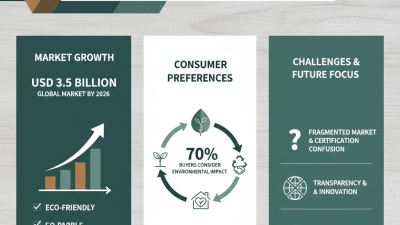
The waterproof decking industry is rapidly evolving, driven by innovative materials and designs. Recent studies indicate that the global market for waterproof decking is projected to grow at a compound annual growth rate (CAGR) of 5.5% through 2026. This growth reflects a heightened demand for durable outdoor spaces that can withstand the elements while providing aesthetic appeal.
Sustainable materials are becoming a focal point of development. Many manufacturers now use recycled plastics and composites, enhancing both environmental responsibility and product performance. A report from the Decking and Railing Market indicates that nearly 40% of consumers prefer eco-friendly options when renovating their outdoor areas. This shift underscores the industry's commitment to sustainability, even as it balances cost and quality.
However, challenges persist. Not all waterproof decking options perform equally well in extreme weather conditions. Some products have struggled with fading and warping over time, leading to consumer dissatisfaction. Addressing these issues is crucial for manufacturers aiming to remain competitive. Continuous testing and refinement of materials will play a significant role in shaping the future of waterproof decking.
2026 Best Waterproof Decking Options for Your Home
| Decking Material |
Water Resistance Rating |
Durability |
Maintenance Level |
Cost per Square Foot |
| Composite Decking |
High |
20+ years |
Low |
$4 - $10 |
| PVC Decking |
Very High |
25+ years |
Very Low |
$6 - $12 |
| Aluminum Decking |
High |
30+ years |
Very Low |
$8 - $15 |
| Wood-Plastic Composite |
Moderate |
15+ years |
Moderate |
$5 - $9 |
| Vinyl Decking |
High |
20+ years |
Low |
$5 - $11 |
Comparative Analysis: Top Waterproof Decking Materials and Their Performance
When selecting waterproof decking materials, it’s crucial to analyze their durability and performance. Numerous options are available that promise longevity and protection from moisture damage.
Composites blend wood fibers with plastic, creating a strong resistance to water. Another option is PVC, which is known for its remarkable water-resistant properties.
Tips: Consider your local climate. In areas with heavy rainfall, durability matters more. Also, think about maintenance. Some materials require more upkeep than others.
Wood decking, while attractive, can absorb moisture. This leads to warping and mold. For homeowners, the choice between aesthetics and durability is significant. Reflect on what is best for your lifestyle and how often you utilize your deck.
Tips: Regular inspections can help identify issues early. If you notice discoloration or softness, it’s time to address the problem. Always prioritize safety and comfort in your choices, even if it means reassessing popular materials.
Cost vs. Longevity: Assessing the Value of Waterproof Decking Options
When considering waterproof decking options for your home,
it’s crucial to evaluate cost versus longevity. Many homeowners opt for materials
that promise durability but may overlook the long-term expenses. Cheaper options might save money upfront, yet they often require
frequent repairs or replacement, leading to higher costs over time.
Investing in higher-quality materials can pay off significantly. These options
typically withstand harsher weather conditions. They need less maintenance and last longer. Think about your climate and
usage patterns. Heavy rain or snow can wear down inferior decking quickly. Regular upkeep can also add to your expenses if you choose
the wrong material.
Tips: Before making a purchase, devour product reviews and expert opinions on longevity.
Consider the installation costs too. Sometimes DIY might seem
cheaper, but it can lead to mistakes. Research local contractors for estimates if you go that route.
Remember, a seemingly perfect deck might require more thought than meets the eye, especially in maintenance and care.
Environmental Impact: Sustainable Choices in Waterproof Decking Solutions
Choosing waterproof decking options goes beyond aesthetics; it affects the environment. Many traditional decking materials, like treated wood, can release harmful chemicals. These chemicals may leach into the soil and waterways, causing serious ecological damage. Sustainable decking solutions are crucial for preserving our planet.
Recycled materials play a vital role in eco-friendly decking. Choosing products made from repurposed plastics reduces waste. It also lessens the demand for new raw materials. Some companies offer deck boards made from recycled wood and plastic. This blend is durable while minimizing environmental footprints.
Natural materials are also worth considering. Bamboo, for instance, grows quickly and absorbs carbon dioxide effectively. It provides a solid, moisture-resistant option. However, sourcing bamboo responsibly is essential to avoid deforestation. It’s vital to research and select products that prioritize the planet. Balancing durability and sustainability is challenging but imperative for the future.
2026 Best Waterproof Decking Options for Your Home
Installation Best Practices for Maximizing Waterproof Deck Durability
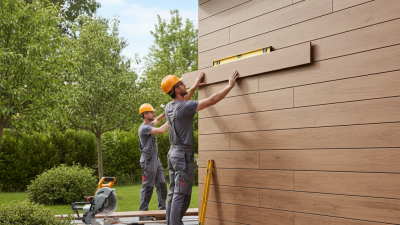
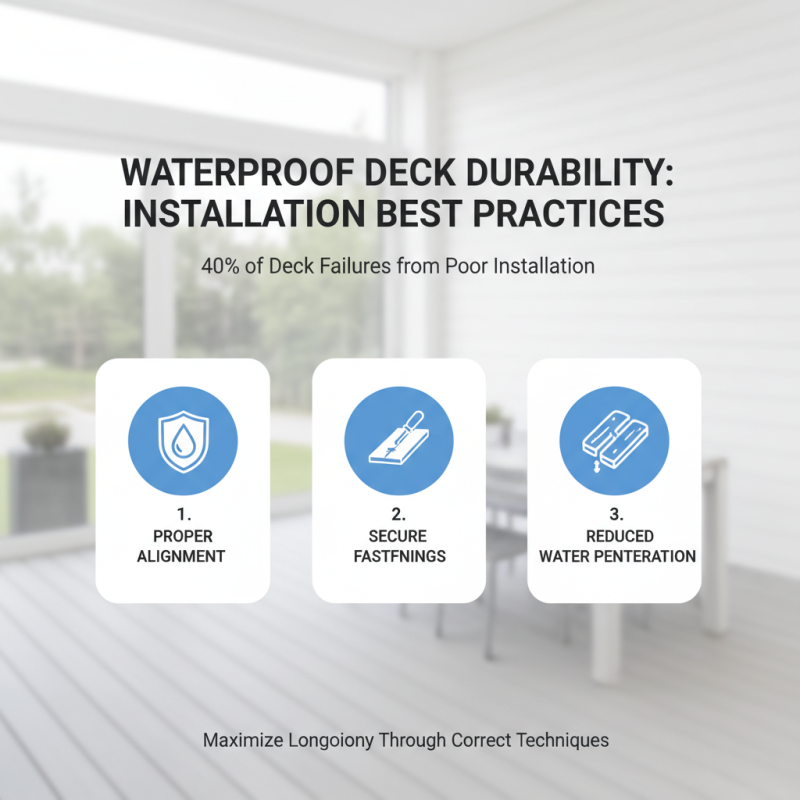
When aiming for a durable waterproof deck, proper installation is crucial. According to industry reports, nearly 40% of deck failures stem from inadequate installation. Proper techniques can greatly influence longevity. For instance, it’s important to ensure that your decking materials are correctly aligned and secured. This reduces the risk of water penetration and warping over time.
Proper drainage is another factor that is often overlooked. Many homeowners fail to account for how water flows on and off their decks. It's vital to slope the deck slightly away from the house. A slope of 1-2% is usually sufficient to direct water away, minimizing pooling and potential damage.
Additionally, using flashings and sealants in critical areas can help prevent leaks. Strategic placement of these materials protects against water intrusion. However, application errors are common. It's essential to follow the manufacturer's guidelines closely. Neglecting this may undermine the waterproofing efforts. Many find that reviewing best practices is key to avoiding these pitfalls and ensuring long-lasting results.